

How Data Is Revolutionising Parking Efficiency

Cities are changing how they manage traffic and parking as data-driven tools become more advanced. These systems help operators improve efficiency and give drivers easier access to real-time information.
Data-led tools also support smoother journeys, reduce congestion and improve overall parking performance in busy areas. This shift continues to influence urban mobility across the UK.
How Data and IoT Improve Parking Systems
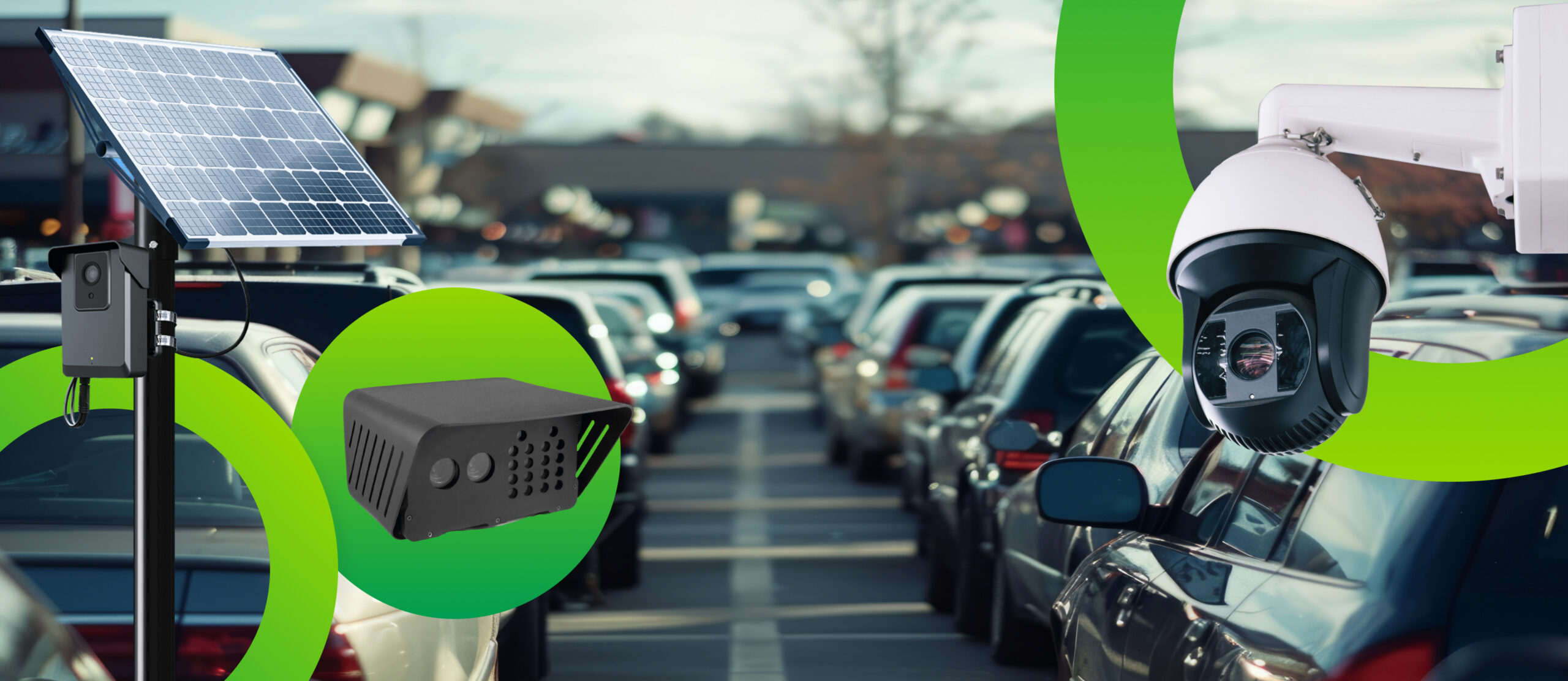
Modern parking systems use sensors, connected devices and analytics to detect space availability. Sensors record occupancy, and central platforms update apps or signage with live information for drivers. These tools reduce circling traffic, ease pressure on roads and improve movement through busy zones.
Data insights help operators understand demand patterns, plan capacity and adjust layouts with confidence.
Benefits of Data-led Parking Systems
Data-enabled parking reduces congestion and supports cleaner travel across towns and cities. Drivers enjoy shorter search times, clearer guidance and a more predictable experience.
For operators, these systems lower operational costs and improve accuracy in managing access. Data visibility also supports better planning, pricing decisions and site improvements.
Dynamic Pricing in Modern Parking
Some systems use dynamic pricing to reflect demand and location. Prices rise during busy periods and fall when usage is lower. This helps ensure bays remain available and offers better value during quieter times.
Dynamic pricing also improves cost control for operators and gives drivers more flexibility.
Challenges in Adopting Data-led Parking
Introducing digital parking tools requires investment in hardware, analytics and secure data handling. Operators must also ensure compatibility with existing systems and maintain accessibility for all users. Despite these challenges, adoption continues to rise as cities seek more efficient and sustainable parking models.
The Future of Smart Parking and Mobility
Smart parking will play a major role in future transport planning.
As urban populations grow, data-led tools will manage rising demand and support sustainable travel. AI and connected technology will improve predictions, reduce bottlenecks and optimise resource use.
Smart parking is becoming a key part of smart city strategies and modern transport networks. Its role will continue to expand as operators and local authorities embrace digital solutions.
How Intelli-Park Supports this Evolution
Intelli-Park helps operators adopt digital tools, install infrastructure and improve monitoring across complex sites.
Our technologies support clear access, reliable insights and efficient enforcement. We also help teams transition to systems that reduce delays and support long-term plans.
For operators exploring new approaches, Intelli-Park provides guidance, technology and ongoing support tailored to each site.
Posted on 21 January 2025
Subscribe on LinkedInRead More

What Happens When You Install an ANPR System...
Our Blog
What Happens When You Install an ANPR System...
Deciding to install ANPR is usually the easy ...

Everything You Need to Know About the Best P...
Our Blog
Everything You Need to Know About the Best P...
The best parking systems no longer rely on ba...

What is a Parking System? Everything You Nee...
Our Blog
What is a Parking System? Everything You Nee...
What is a Parking System? Everything You Need...
AI ANPR and Parking Solutions: Enhancing Acc...
Our Blog
AI ANPR and Parking Solutions: Enhancing Acc...
How AI ANPR is Revolutionising Modern Parking...

How Much Does ANPR Cost? A Full Breakdown of...
Our Blog
How Much Does ANPR Cost? A Full Breakdown of...
Published: 23/04/2026
Last Updated:23/04/202...

EV Charging Explained: How Do EV Charging St...
Our Blog
EV Charging Explained: How Do EV Charging St...
EV Charging Explained: How Do EV Charging Sta...

