

EV Charging Explained: How Do EV Charging Stations Work?
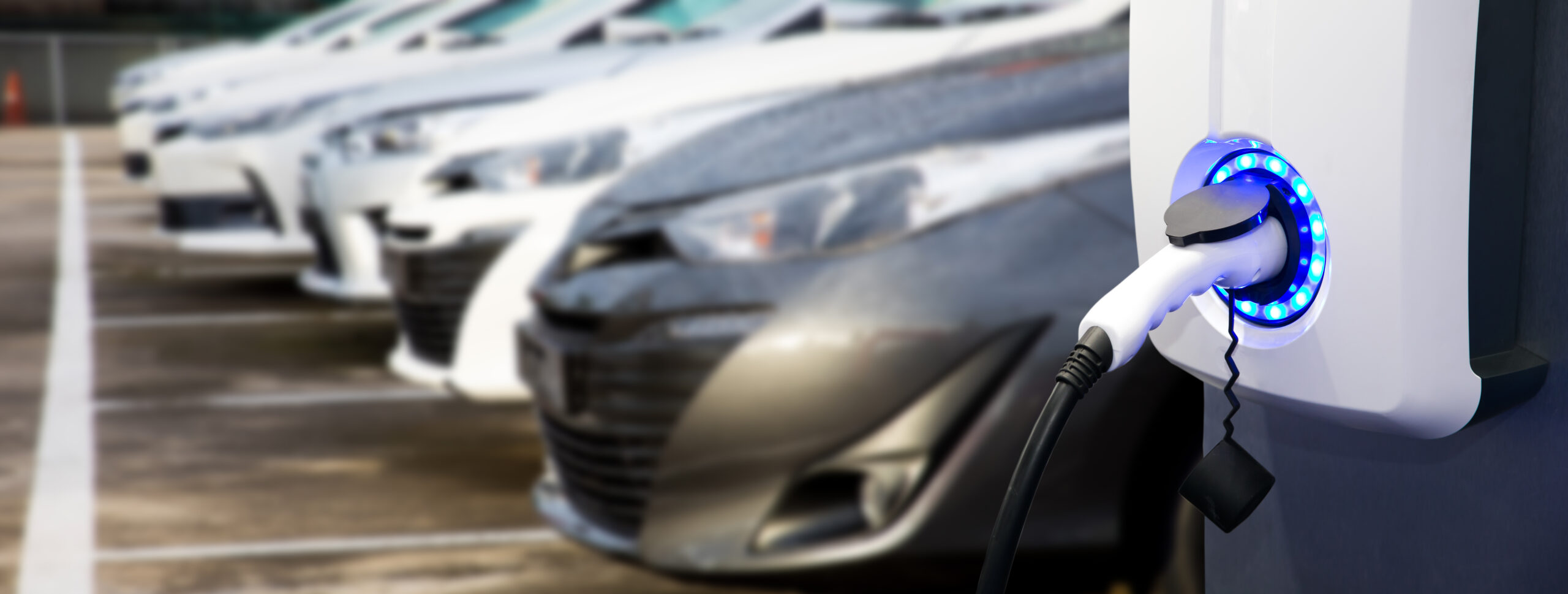
EV Charging Explained: How Do EV Charging Stations Work?
Electric cars are fast becoming the most popular vehicles on UK roads, which means more and more people are asking the same question: how do EV charging stations work?
The UK now has ~1.8 Million zero emission vehicles, with numbers increasing daily. Public infrastructure is scaling too. As of January 2026, the UK had over 116,000 public EV chargers, with 13,281 added in the past year.
This guide explains how EV charging stations work (in layman’s terms).
It also covers where different charger types fit best for commercial sites, and how smart monitoring helps keep charging bays available.
Understanding the Basics: How Do EV Charging Stations Work?
Put simply, an EV charger pulls electricity from the local supply and delivers it to the vehicle.
Most charging sessions follow a clear flow:
- Power is made available via the site supply
- A connector links the charger and vehicle
- The charger then communicate with the car to confirm safe charging
- Energy flows until the car stops the session or reaches its limit
The “Handshake” Process
Before charging starts, the charger and the vehicle run a communication step. Many people call this the “handshake”.
This step helps confirm the session is safe and authorised. The charger also communicates with any wider systems, such as network services and payment platforms, depending on site set-up.
Why Charging Speed Can Vary
Even with a high-powered charger, the vehicle controls what it can accept. The battery management system limits charge rate to protect the battery and manage temperature.
That is why two cars can plug into the same unit and get different results.
How Do Electric Car Charging Stations Work for Different Needs?
EV charging isn’t a one-size-fits-all. Site type, dwell time, and electrical capacity all influence the right approach.
A simple way to think about it:
- Fast chargers work for longer stays and high well time sites
- Rapid chargers suite short visits and higher turnover
- Ultra-rapid chargers for quick stops and in journey charging
It also helps to know what the public network looks like today. As of 1 January 2026, 10% of public chargers were ultra-rapid, and 12% were rapid, with the rest in lower power bands.
At Intelli-Park, we support sites with fast and rapid charging options, based on demand and layout. We also offer funded models where no upfront investment is required.
Fast EV Chargers (7kW-22kW)
Fast charging commonly supports “destination” locations. Drivers park for a while, then return to a meaningful top-up.
Fast charging often works best when:
- Visitors stay 1-4 hours
- charging supports dwell time, not a rushed stop
- you want to spread demand across multiple bays
Fast charging usually sits in the 3.7kW to 22kW range.
Rapid EV Chargers (DC, 50kW)
Rapid charging suits high-turnover locations. It supports a shorter stop and a faster refill.
Rapid public charging runs around 50kW or above.
Connector types can vary, but in the UK you will often see CCS and CHAdeMO on rapid units.
Ultra-Rapid EV Chargers (DC, 100kW+)
Ultra-rapid charging supports quick stops and on journey charging. It usually sits on major roads and service stations.
Some providers describe ultra-rapid units as delivering substantial range in a short session, depending on the vehicle.
Site power capacity and grid connection planning matter most here.
Where Do Electric Charging Stations Work Best?
The best charging set-up depends on dwell time, turnover, and who you are serving. It also depends on whether bays stay available.
EV bays only create value when drivers can actually use them. Intelli-Park designs EV charging with monitoring in mind, because 33% of vehicles using EV bays are not electic.
Retail Parks and Supermarkets
Retail locations typically suit fast charging, where drivers top up while they shop. This is a great option and the slower charge times often increase dwell time for shoppers, whilst remaining an affordable charging option. It's a win win!
Monitoring is particularly important here, with retail boasting the highest abuse rates of EV chargers. Intelli-Park uses monitoring to keep bays available for genuine EV drivers.
Workplace and Office Car Parks
Workplace charging usually fits longer dwell times. Many employees park for a full shift, so fast charging can work well.
Common approaches include:
- Employer-funded charging as a perk
- pay-as-you-go charging for staff and visitors
- controlled access for tenants and fleet vehicles
Clear rules also reduce friction between teams.
Hotels, Gyms & Leisure Facilities
Hotels and leisure sites often benefit from “destination charging”. Guests stay longer, so fast charging usually makes sense.
Charging can be:
- Included within a room date
- Offered as a paid add-on
- reserved for guests only, depending on site policy
What matters is clarity. Drivers should understand how to access bays and how long they can stay.
Public Car Parks & Park-and-Rides
Public sites often need turnover. Drivers may park for shorter windows, especially in commuter locations.
This is where automation helps. ANPR-led management supports fair use, better turnover, and clearer records for enforcement and appeals.
It also helps with EV behaviour. Some drivers remain in bays after charging ends. Monitoring and consistent rules help reduce that issue over time.
Service Stations
Service stations typically suit rapid and ultra-rapid charging. Drivers want a quick stop, then they move on.
These sites also need:
- Clear bay markings
- Strong uptime processes
- Visibility when bays are blocked or equipment needs attention
At-Home Charging
Home charging sits outside this guide’s main focus, but it shapes demand for public bays.
Many EV drivers still rely on public charging due to on-street parking. That is another reason commercial bays need to stay accessible.
For those with home chargers, fast charge is usually the way to go with longer overnight charging often costing less than faster options.
EV Charging Explained: The Future of Smart Parking Facilities
More chargers alone do not solve the experience. Access and availability matter just as much.
Intelli-Park takes a practical approach:
- Fully managed EV charging, Including support and maintenance
- Funded options that remove the need for upfront capital
- monitoring that helps keep bays free for genuine EV drivers
If you are planning EV Charging, start with two questions:
- What charging speed suite your sites dwell time?
- How will you keep bays available once chargers go live?
Looking to explore our EV Charging Solutions?
Posted on 31 March 2026
Subscribe on LinkedInRead More

What Happens When You Install an ANPR System...
Our Blog
What Happens When You Install an ANPR System...
Deciding to install ANPR is usually the easy ...

Everything You Need to Know About the Best P...
Our Blog
Everything You Need to Know About the Best P...
The best parking systems no longer rely on ba...

What is a Parking System? Everything You Nee...
Our Blog
What is a Parking System? Everything You Nee...
What is a Parking System? Everything You Need...
AI ANPR and Parking Solutions: Enhancing Acc...
Our Blog
AI ANPR and Parking Solutions: Enhancing Acc...
How AI ANPR is Revolutionising Modern Parking...

How Much Does ANPR Cost? A Full Breakdown of...
Our Blog
How Much Does ANPR Cost? A Full Breakdown of...
Published: 23/04/2026
Last Updated:23/04/202...
EV Charging Explained: How Do EV Charging St...
Our Blog
EV Charging Explained: How Do EV Charging St...
EV Charging Explained: How Do EV Charging Sta...

