

How To Stop People Parking on Private Land: Five Practical Steps

Written by: Damian Bayly, Engineering, Facilities & Maintenance Manager
Unauthorised parking causes real disruption. It blocks access, frustrates customers, and creates safety risks. Space is under pressure. At the end of September 2025, the UK had 42.4 million licensed vehicles.
If you manage a private site, you need a clear plan. It should be simple to run, while remaining fair and compliant.
The Quick Answer
If you want to stop people parking on private land, focus on five steps:
- Put clear rules in place with compliant signage
- Use monitoring to deter misuse
- Validate access for genuine users
- Apply fair enforcement when needed
- Review results and refine the set-up
The sections below break down each step.
Contents
- The Challenge Of Unauthorised Parking
- Step 1: Start With Clear, Compliant Signage
- Step 2: Detect And Deter With Smart Monitoring
- Step 3: Validate Access For Genuine Visitors
- Step 4: Enforce Fairly And Professionally
- Step 5: Review, Refine, And Future Proof Your Site
- ANPR And Data Protection
- FAQs
The Challenge of Unauthorised Parking
Misuse varies by site:
- Commuters using private bays as free parking
- Non-customers blocking customer spaces
- Residents losing access to allocated bays
- Vehicles stopping in hatched zones or keep-clear areas
Parking disputes are common in residential areas. A Churchill Motor Insurance poll found 48% of homeowners had issues with neighbours preventing access to a driveway, garage, or allocated space. The same poll found 16% had argued about parking.
A clear private land parking control approach reduces conflict. It also protects access for the people who should be there.
Step 1: Start With Clear, Compliant Signage
Signage is the foundation. It sets the rules and supports fair enforcement.
Your signs should:
- Be visible at entrances and across the site
- Use clear wording and readable layouts
- Explain terms, restrictions, and what happens if rules are broken
- Provide contact routes for driver queries
The private parking sector has a joint Code of Practice created by the BPA and IPC. It sets out standards for consistency and transparency.
A practical tip: use plain English. Keep key rules short. Put the most important terms at entrances.
Step 2: Detect and Deter with Smart Monitoring
Once rules are clear, monitoring helps uphold them.
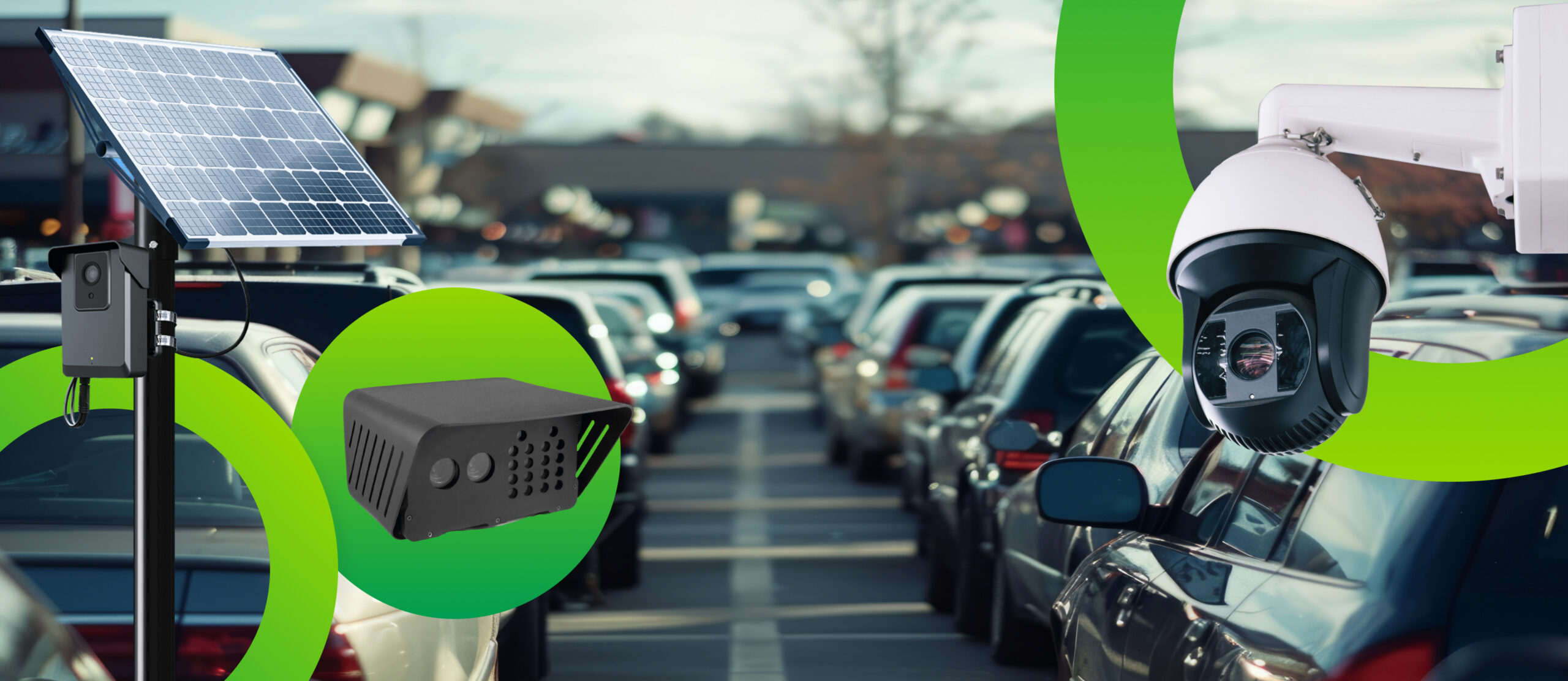
A strong set-up often includes:
- Entry and exit monitoring to track visits
- On-site monitoring to protect bays and restricted areas
On-site monitoring is useful where misuse happens inside the car park. This includes EV bays, loading zones, hatched areas, and no-parking zones.
Step 3: Validate Access for Genuine Visitors
Good control protects genuine users. It should not create friction.
Vehicle validation options can include:
- Tablet check-in for visitors
- QR validation for customers
- Digital permits for staff, tenants, and contractors
- Managed exemptions for service vehicles
This keeps enforcement focused on misuse. It also reduces complaints and appeals.
Step 4: Enforce Fairly and Professionally
When signage and monitoring are in place, enforcement becomes clearer.
Choose an approach that fits the site:
- Light-touch support for low-risk locations
- On-site patrols where misuse is persistent
- A blend of people and technology for complex sites
Aim for consistency. Keep decisions proportionate. Record evidence clearly.
Step 5: Review, Refine, and Future Proof Your Site
Parking patterns change. Your rules should keep up.
Review:
- Peak hours and repeat misuse
- Where contraventions happen most often
- Whether signage still matches the site layout
- Whether priority bays need extra protection
A reporting view helps you spot trends early. It also helps you adjust the plan before problems grow.
ANPR and Data Protection
ANPR can involve personal data in many contexts. Governance matters.
The ICO notes that ANPR can collect and analyse large quantities of personal data in real time. It is used by privately-owned car parks and businesses, not only law enforcement.
Good practice includes:
- Clear signage that explains monitoring
- Proportionate retention periods
- Controlled access to records
- Processes for subject access requests
If you need formal compliance advice, speak with your Data Protection Officer or legal adviser.
FAQs
What Is the best first step to stop people parking on private land?
Start with clear signage and a simple rule set. If drivers cannot understand terms, compliance drops.
Do I need ANPR to stop unauthorised parking?
Not always. Some sites succeed with permits and patrols. ANPR helps when you need reliable entry and exit tracking.
How do I protect EV bays and priority spaces?
Use clear bay signage and targeted monitoring. Focus on hotspots and repeat issues.
Ready To Regain Control of Your Site?
If you want to stop people parking on private land, start with a review of your signage, rules, and site risks.
Email [email protected] to arrange a site review and recommendations.
Posted on 4 March 2026
Subscribe on LinkedInRead More

What Happens When You Install an ANPR System...
Our Blog
What Happens When You Install an ANPR System...
Deciding to install ANPR is usually the easy ...

Everything You Need to Know About the Best P...
Our Blog
Everything You Need to Know About the Best P...
The best parking systems no longer rely on ba...

What is a Parking System? Everything You Nee...
Our Blog
What is a Parking System? Everything You Nee...
What is a Parking System? Everything You Need...
AI ANPR and Parking Solutions: Enhancing Acc...
Our Blog
AI ANPR and Parking Solutions: Enhancing Acc...
How AI ANPR is Revolutionising Modern Parking...

How Much Does ANPR Cost? A Full Breakdown of...
Our Blog
How Much Does ANPR Cost? A Full Breakdown of...
Published: 23/04/2026
Last Updated:23/04/202...

EV Charging Explained: How Do EV Charging St...
Our Blog
EV Charging Explained: How Do EV Charging St...
EV Charging Explained: How Do EV Charging Sta...

